Understanding Narrative Mixed Media Art: A Journey Through Layers and Stories

When I first stumbled upon narrative mixed media art, I was instantly hooked. There’s something magical about how different materials and techniques come together to tell a story that words alone can’t capture. It’s like reading a novel, but instead of pages, you have textures, colors, and shapes speaking to you. If you’ve ever wondered what makes this art form so captivating, you’re in the right place. Let’s dive into the world of narrative mixed media art and explore why it’s more than just a visual experience.
The Allure of Narrative Mixed Media Art
Narrative mixed media art is a fascinating blend of storytelling and artistic expression. Unlike traditional art forms that might focus solely on aesthetics, this style invites viewers to engage with a story embedded within the layers of the artwork. It’s like peeling an onion - each layer reveals something new, a hidden meaning or emotion.
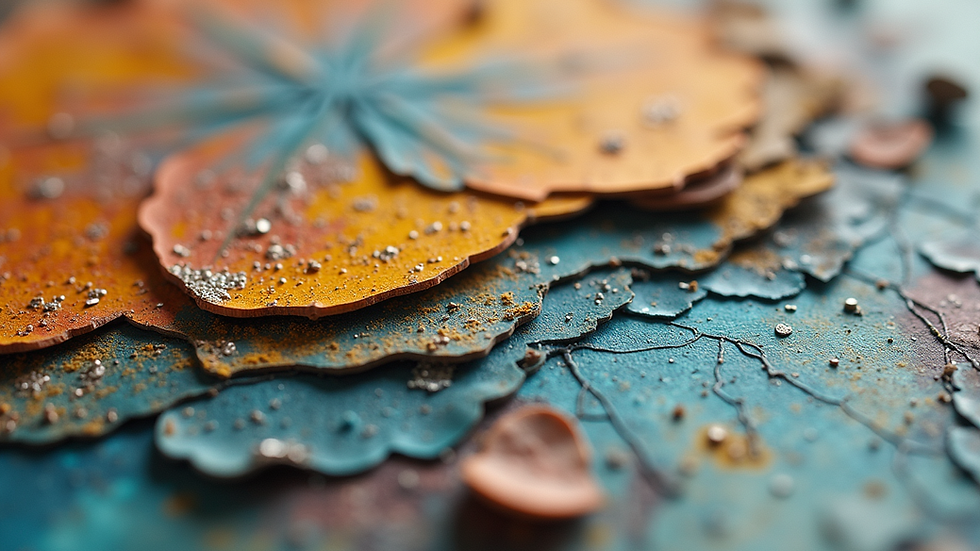
What makes it even more intriguing is the freedom artists have to combine various materials - from paint and paper to fabric, found objects, and digital elements. This fusion creates a rich tapestry that can evoke memories, provoke thought, or simply mesmerize with its complexity.
For example, imagine a piece that uses old newspaper clippings, textured paint, and delicate threadwork to narrate a city’s history. The tactile nature of the materials pulls you in, making the story feel tangible and alive. This is the power of narrative mixed media art - it transforms stories into sensory experiences.
How Narrative Mixed Media Art Speaks to Its Audience
One of the reasons narrative mixed media art resonates so deeply is its ability to connect on multiple levels. It’s not just about what you see; it’s about what you feel and interpret. This art form often challenges viewers to become active participants, piecing together the story from visual clues.
Take, for instance, a corporate lobby adorned with a large mixed media installation. At first glance, it might appear as an abstract composition. But as you spend time with it, you start noticing elements that reflect the company’s values, history, or mission. This subtle storytelling can create a powerful emotional connection with clients and visitors, making the space memorable and meaningful.
From my experience, the best narrative mixed media pieces are those that balance complexity with clarity. They invite curiosity without overwhelming, offering enough detail to engage but leaving room for personal interpretation. This balance is crucial, especially when creating commissioned works for institutions or corporate clients who want art that complements their identity and inspires their audience.
What is the 70/30 Rule in Art?
You might have heard about the 70/30 rule in art, and it’s a handy guideline that applies well to mixed media. Simply put, it suggests that 70% of your artwork should be composed of dominant elements that establish the main theme or story, while the remaining 30% can be experimental or decorative.
Why does this matter? Because it helps maintain focus and coherence. In narrative mixed media art, it’s easy to get carried away with layering materials and techniques. Without a clear structure, the story can become muddled, leaving viewers confused rather than captivated.
For example, if you’re telling a story about nature’s resilience, 70% of your piece might feature natural textures like bark, leaves, and earth tones. The other 30% could include abstract shapes or unexpected materials that add intrigue without detracting from the core message.
Applying the 70/30 rule doesn’t mean limiting creativity. Instead, it’s about strategic choices that enhance storytelling and ensure your audience stays engaged from start to finish.
Crafting Your Own Story Driven Mixed Media Art
If you’re inspired to create your own narrative mixed media art, here are some practical tips to get you started:
Choose a Compelling Story
Start with a story that matters to you. It could be personal, historical, or even fictional. The more meaningful the story, the more authentic your art will feel.
Select Your Materials Thoughtfully
Think about how different textures and objects can symbolize parts of your story. Old letters might represent memory, while metal scraps could signify industrial strength.
Plan Your Composition
Sketch a rough layout to balance dominant and supporting elements. Remember the 70/30 rule to keep your narrative clear.
Layer with Intention
Build your piece gradually, allowing each layer to add depth and meaning. Don’t rush - sometimes the best effects come from letting materials interact naturally.
Invite Interaction
Consider how viewers will experience your work. Can they touch it? Walk around it? Does it change with light or perspective? These factors can enhance the storytelling.
Reflect and Refine
Step back often and ask yourself if the story is coming through. Don’t be afraid to remove or add elements to strengthen the narrative.
Creating narrative mixed media art is a journey of discovery. It challenges you to think beyond traditional boundaries and embrace the unexpected. And trust me, the satisfaction of seeing your story come alive in layers is worth every messy moment.

Why Narrative Mixed Media Art Matters in Today’s World
In a fast-paced, digital-heavy world, narrative mixed media art offers a refreshing pause. It invites us to slow down, observe, and connect with stories in a tactile, immersive way. For corporate and institutional clients, this art form provides a unique opportunity to communicate values and identity beyond words and logos.
Moreover, collectors are increasingly drawn to pieces that offer more than visual appeal. They want art that sparks conversation, evokes emotion, and holds a story they can relate to or discover over time. Narrative mixed media art fits this desire perfectly.
As an artist aiming to expand my reach in commissioned works and grow a collector base, I’ve found that focusing on narrative-rich creations is key. It’s not just about making something beautiful; it’s about crafting experiences that captivate souls and leave lasting impressions.
If you’re curious to explore this further, I highly recommend checking out story driven mixed media art to see how narrative and mixed media come together in compelling ways.
Embracing the Future of Mixed Media Storytelling
Looking ahead, narrative mixed media art is poised to evolve with new materials, technologies, and storytelling techniques. Artists are experimenting with digital integration, augmented reality, and sustainable materials to push boundaries even further.
For those commissioning or collecting art, this means access to innovative works that blend tradition with modernity. It’s an exciting time to be part of this journey, whether as a creator or an admirer.
In the end, narrative mixed media art reminds us that stories are everywhere - in the textures we touch, the colors we see, and the layers we uncover. It’s a celebration of creativity, memory, and connection that continues to inspire and transform.
So, next time you encounter a mixed media piece, take a moment to look beyond the surface. What story is it telling you? And how does it make you feel? That’s the true magic of narrative mixed media art.


Comments